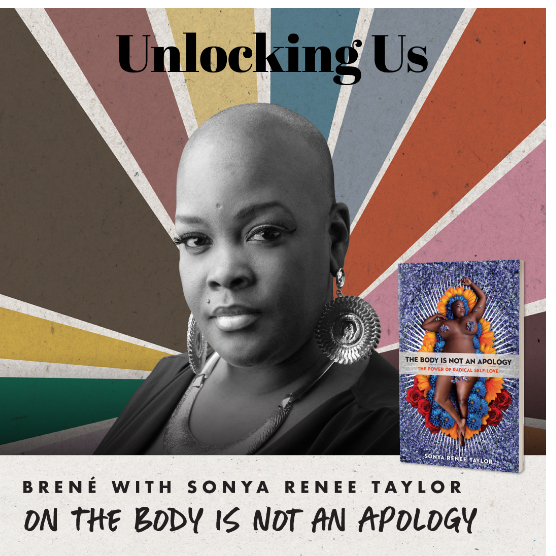
This book took my breath away. It's an unexpected and urgent embrace of truth.
BRENE BROWN, PhD • author of The Gifts of Imperfection, Daring Greatly, Rising Strong, Braving the Wilderness, and Dare to Lead
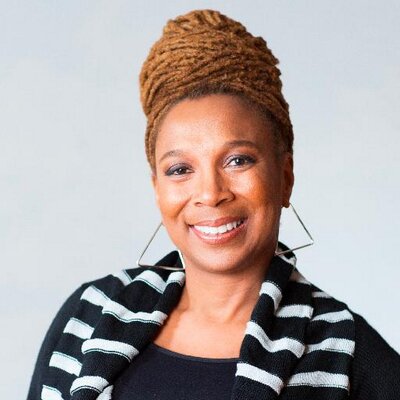
Through lucid and courageous self-revelation, Sonya Renee Taylor shows us how to realize the revolutionary potential of self-love. ‘The body is not an apology’ is the mantra we should all embrace.
KIMBERLÉ CRENSHAW • legal scholar and founder and Executive Director, African American Policy Forum
The Body Is Not an Apology is a gift, a blessing, a prayer, a reminder, a sacred text. This book cracked me open in ways that I’m so grateful for. I know it will do the same for you.
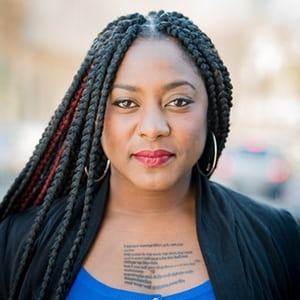
ALICIA GARZA • cocreator of the Black Lives Matter Global Network and Strategy + Partnerships Director, National Domestic Workers Alliance
This is a radical, merciful, transformational book that will give you deep insights, inspiration, and concrete tools for launching the revolution right inside your own beloved body.
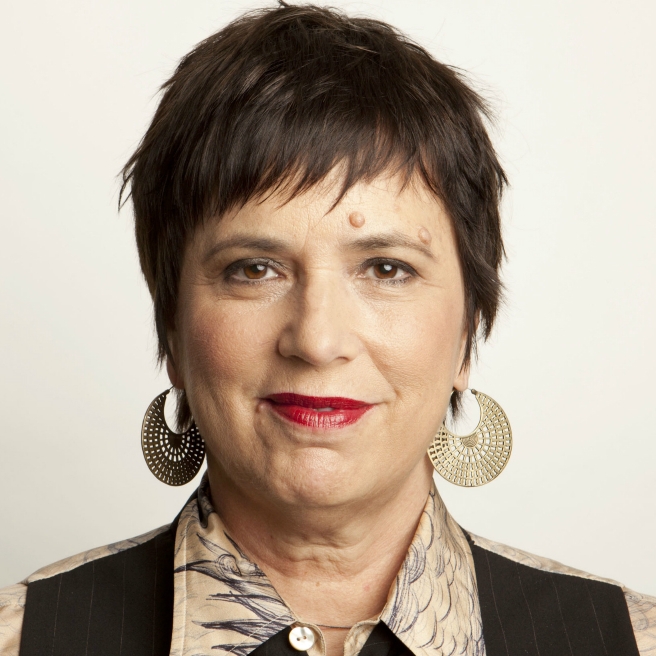
EVE ENSLER • author of The Vagina Monologues and In the Body of the World
The Body Is Not an Apology is essential reading for those of us who crave understanding and those who are already on the path to learning how beautiful and complex our bodies are.
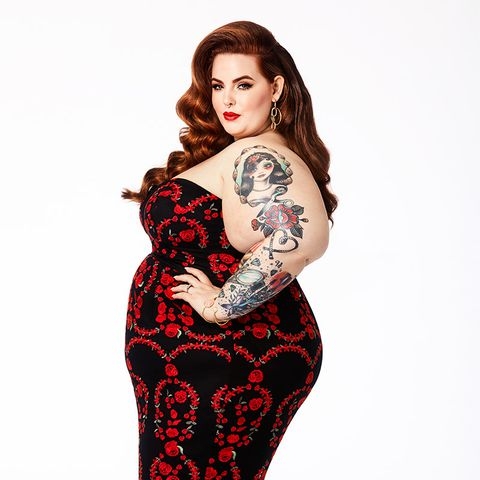
Tess Holiday, Plus Model, Author & Founder of Eff Your Beauty Standards
As a disabled woman, #thefirsttimeireadmyself may well have been this book. Thank you, Sonya. Bought two copies, one for me and one for my daughter.
Rebecca Cokely, Senior Fellow for Disability Policy, Center for American Progress, disability rights activist, and mom
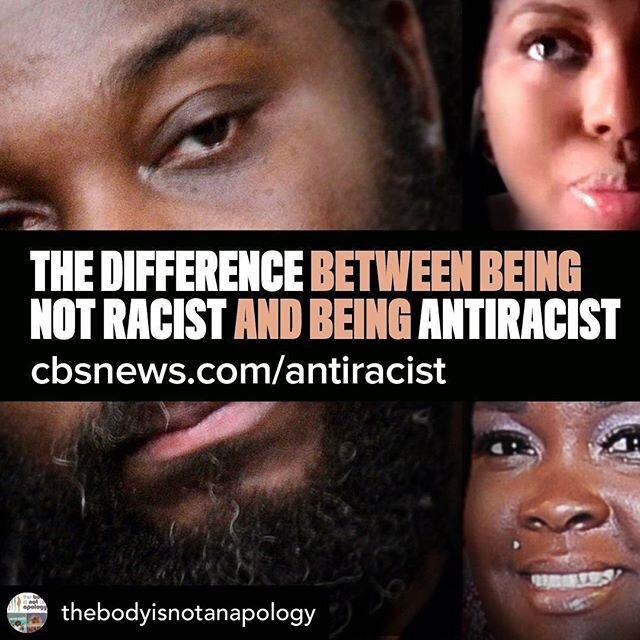
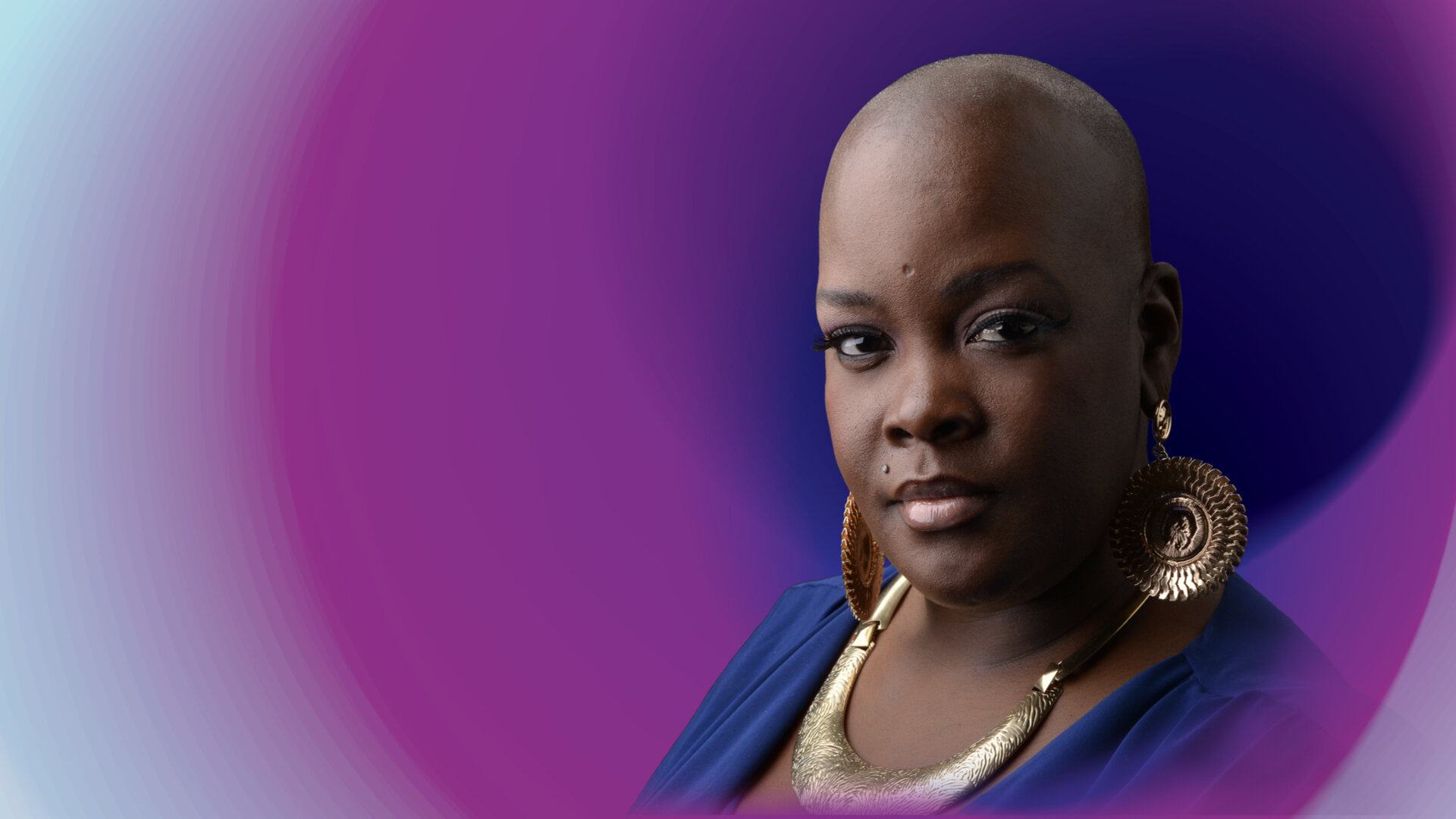
Activist Sonya Renee Taylor says a lot of white people are "waking up" to the realities of racism right now. But it's not enough to just wake up. You have to then do something about it. https://cbsn.ws/3dzbfcw
Commencement speeches this year have taken on additional weight as graduates — and many others — try to imagine what the future holds.
In this time of uncertainty, many are looking for words of wisdom to help guide us post-pandemic.
Poet and author Sonya Renee Taylor is no stranger to commencement speeches. She's given many of them over the years, and this year, she's doing it again — virtually from her home in New Zealand.
She says her final message for the class of 2020 is that there are no experts on living.
“I think we want to know it all. There's a comfort in having the answers and feeling like we've got it all figured out,” Taylor says. “And I think once we give ourselves permission to not be experts, to not have it all figured out, to just be part of this wild ride, of being a human alive on this planet, I think there's great freedom in that.”
Does it feel uncomfortable calling someone fat because we think there is something bad about fatness? And if so - does that come from a concern about health, or is it something more insidious? Emily Thomas examines how society sees fatness - exploring the idea that we live in an inherently fat-phobic world. We hear from those who say viewing fatness as a health problem alone, obscures some uncomfortable truths about poverty, racism, misogyny and ourselves. What would a less fat-phobic world look like? (Picture: woman sitting on sofa. Credit: Getty Images/BBC) If you would like to get in touch with the team, please email thefoodchain@bbc.co.uk Contributors: Esther D. Rothblum, professor of women's studies, San Diego State University, Sonya Renee Taylor, founder, The Body is Not An Apology Sabrina Strings, associate professor of sociology at the University of California, Irvine Sigrún Daníelsdóttir, project manager for mental health promotion, Iceland Directorate of Health
Activist Sonya Renee Taylor says a lot of white people are "waking up" to the realities of racism right now. But it's not enough to just wake up. You have to then do something about it. https://cbsn.ws/3dzbfcw